Presentation Information:
This dynamic four (4) hour training offers an engaging deep dive into Autism and ADHD – exploring their historical roots, how understanding has evolved over time, and what current clinical research tells us today. Participants will gain insight into common yet often overlooked traits, the subtle presentations of Autism and ADHD, and the cultural dynamics that shape neurodivergent lived experiences.
Through practical skill-building, attendees will learn how to recognize and work effectively with Autistic and ADHD traits, confidently support neurodivergent clients, and expand their repertoire of neuroaffirming language, strategies, and clinical tools to enhance therapeutic outcomes.
Objectives:
- Participants will gain an understanding of neurodiversity by defining key principles, terminology, and the spectrum of neurodivergent conditions, with an emphasis on how embracing a more inclusive and respectful approach when working with neurodivergent clients.
- Participants will learn strategies and techniques for delivering care that is respectful of, and tailored to, the unique needs and strengths of individuals with autism and ADHD. This will include practical methods for creating affirming environments, improving communication, and addressing common challenges specific to these conditions.
- Participants will learn practical methods to recognize and address cultural, societal, and clinical biases related to neurodivergence, including how societal factors, such as stigma and exclusion, affect neurodivergent individuals and how to provide a safe, affirming, and supportive space for all clients.
- Participants will review neuroaffirming strategies to foster safe and inclusive therapeutic environments, promoting client engagement, trust, and retention in substance use treatment.
- Participants will develop practical, collaborative care skills for working with neurodivergent clients and their families, with an emphasis on client autonomy, self-advocacy, and honoring individual preferences in meaningful and empowering treatment planning.
This training is worth four (4) contact hours. An application for four (4) contact hours has been made to the Maine Board of Alcohol and Drug Counselors.
Agenda for the Day:
8:30am to 8:45am – Welcome, Housekeeping, and Introductions
8:45am to 9:45am – Presentation
9:45am to 10:00am – Break
10:00am to 11:30am – Presentation Continues
11:30am to 11:45am – Break
11:45am to 1:00pm – Presentation Wrap-Up & Open Discussion
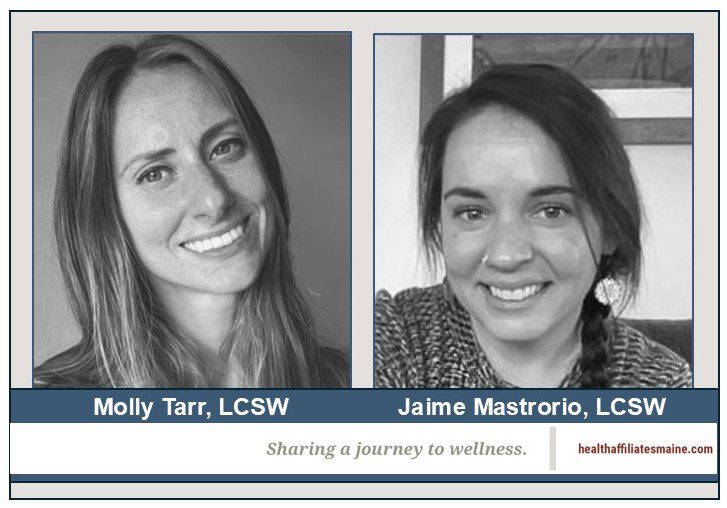
About the Presenters:
Molly Tarr, LCSW is a Licensed Clinical Social Worker who earned her MSW from the University of New England in 2016. She works from a relational, integrative, and neurodiversity-affirming perspective and is trained in EMDR, with influence from Internal Family Systems (IFS). Molly has worked across community, outpatient, and IOP settings, supporting autistic and ADHD clients as well as individuals navigating anxiety, trauma, and disordered eating. Now in private practice, she specializes in autism, ADHD, and trauma-informed care. Her clinical work is informed by both professional training and lived neurodivergent experience.